The last two weeks have been full of beneficial lectures from topics ranging from International Humanitarian Law to the role of religion in Peacebuilding.
Some more conflict analysis tools by USAID from Jenn Weidman
An inspiring morning with Mr Bhichai Rattakul talking about lessons from his time as Thai foreign Minister dealing with the Vietnam War & Pol Pot…
As the overall theme for this final module was Conflict Transformation I found it really useful to hear past Rotary International President Mr Bhichai Rattakul emphasise the power of “the small things” when dealing with people but yet how to always hold onto to the bigger picture of how things will work out in the longer term 10/20 years down the road.
We left for Kathmandu last week for the second of our field trips. The overall theme was “Conflict Transformation and Building a Sustainable Peace”. Nepal is in the process of recovering from a ten-year conflict which was finally ended with the Comprehensive Peace Agreement (CPA) in 2006. When we were there the politicians where in the middle of negotiations about the Constitution which must be agreed upon by the 29th May.
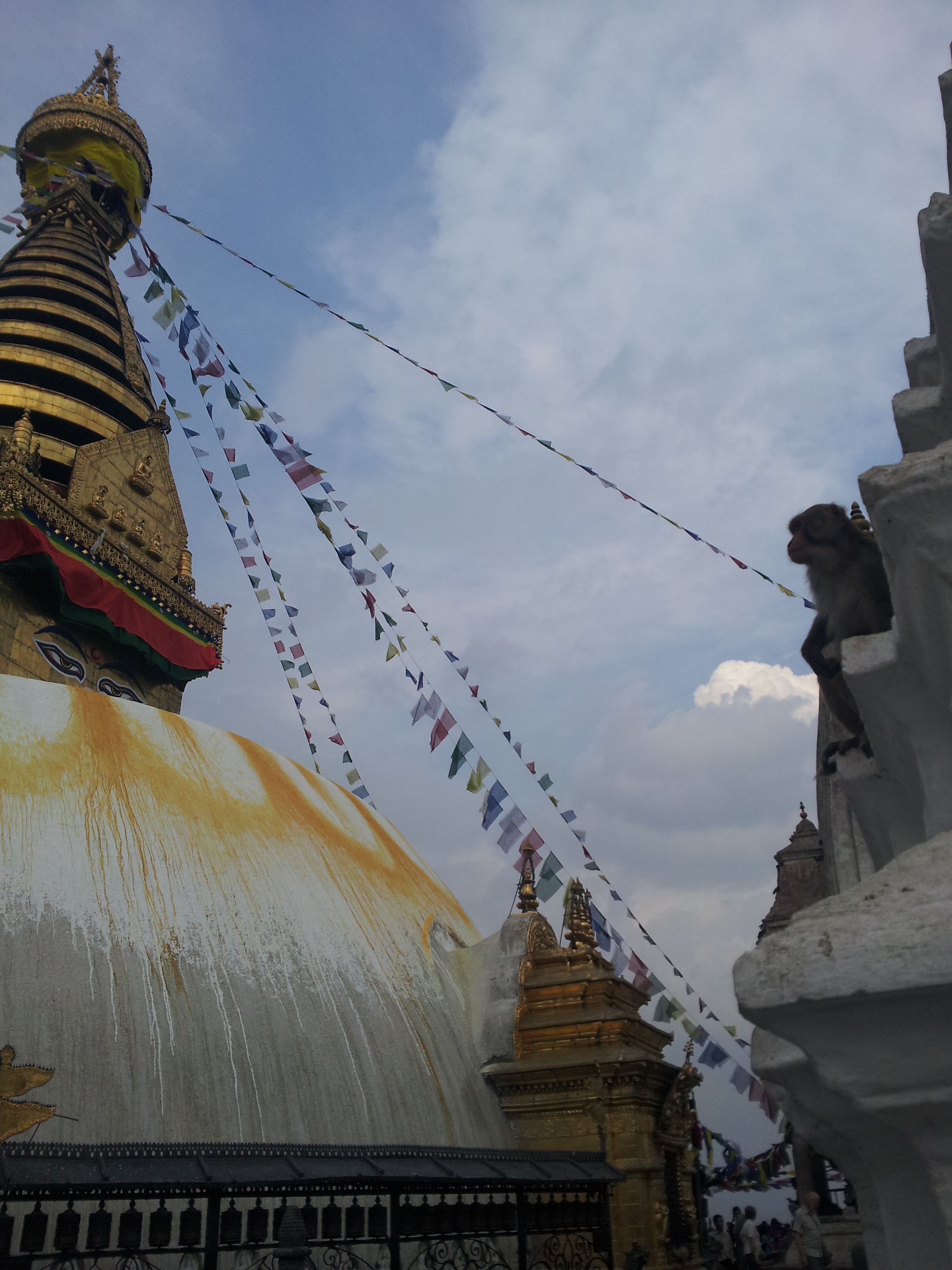
A view of Kathmandu from the Monkey Temple
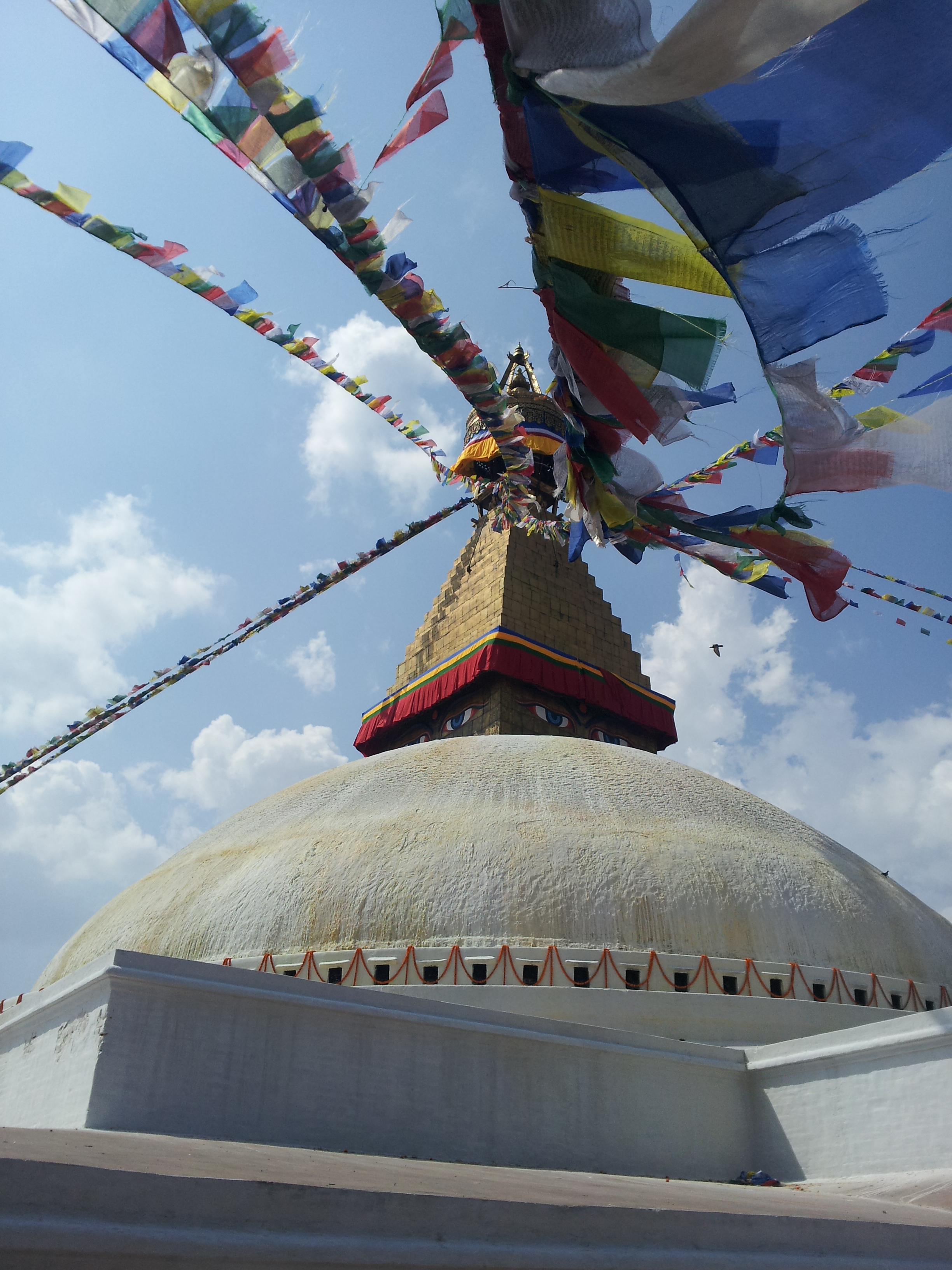
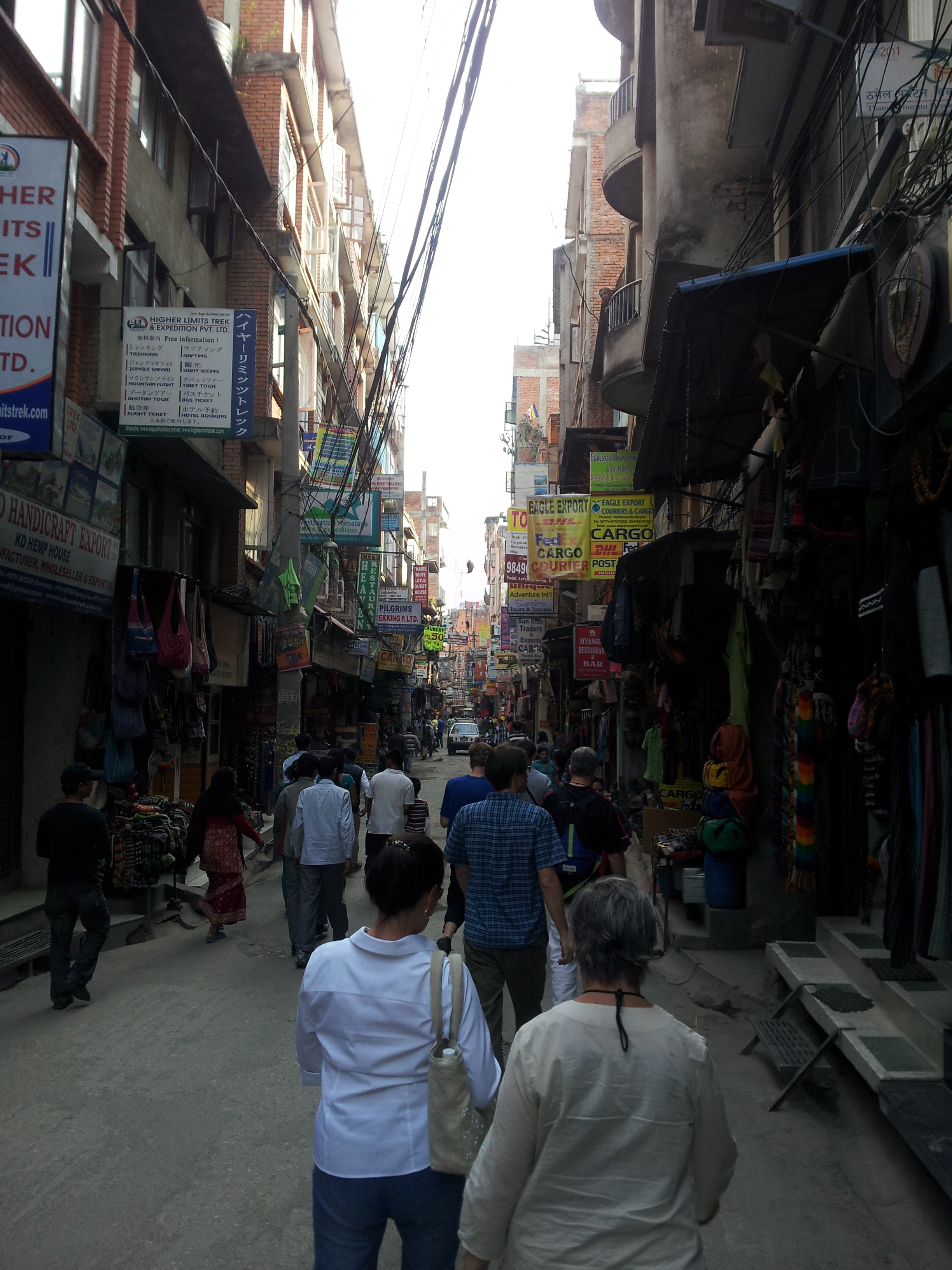
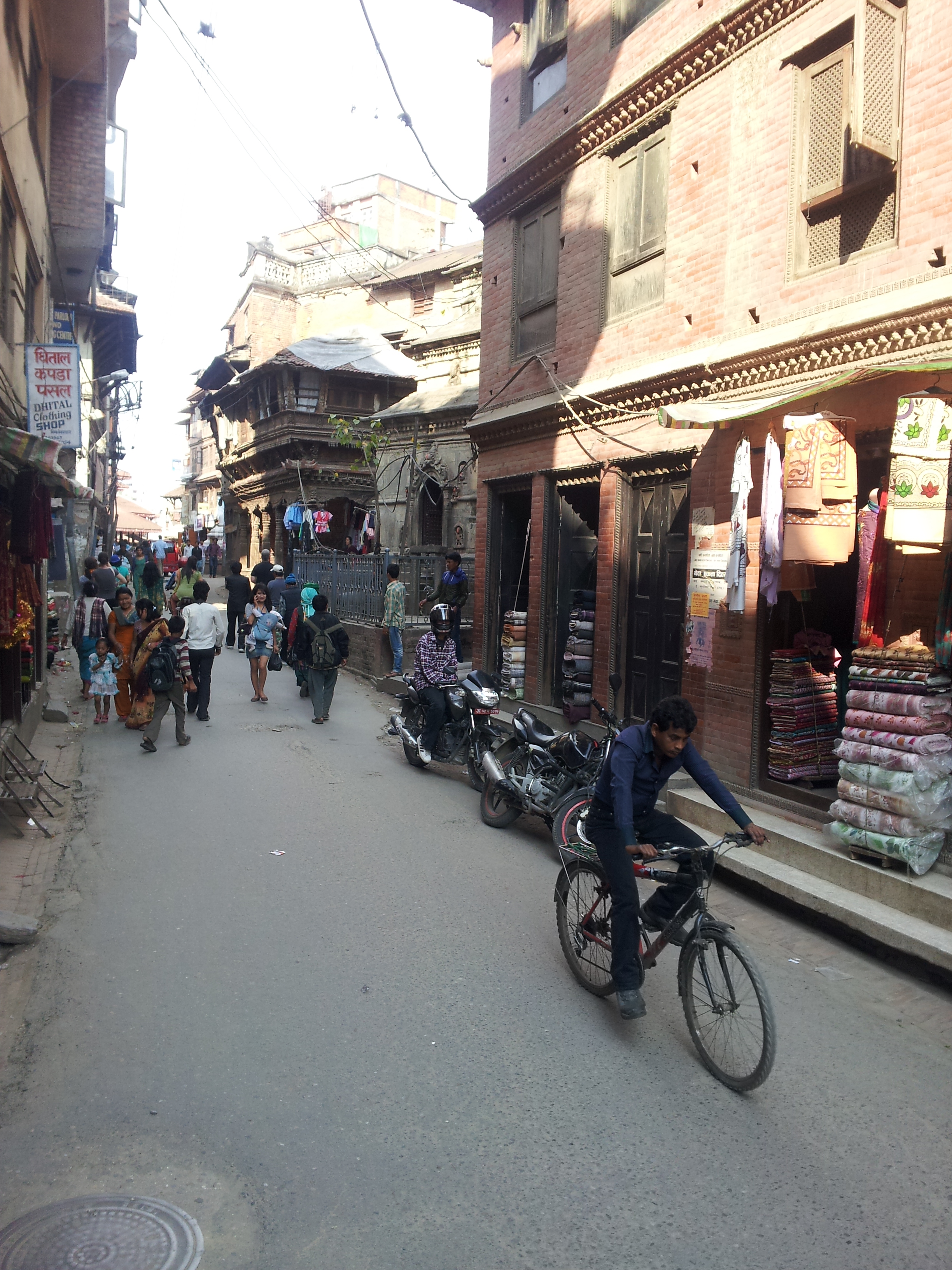
Kathmandu struck me as a very culturally rich city with many historically significant sites such as Bodhnath Stupa and the Living Goddess Kumari.
Buddhists Stupa’s (Bodhnath & the Monkey Temple, accordingly)
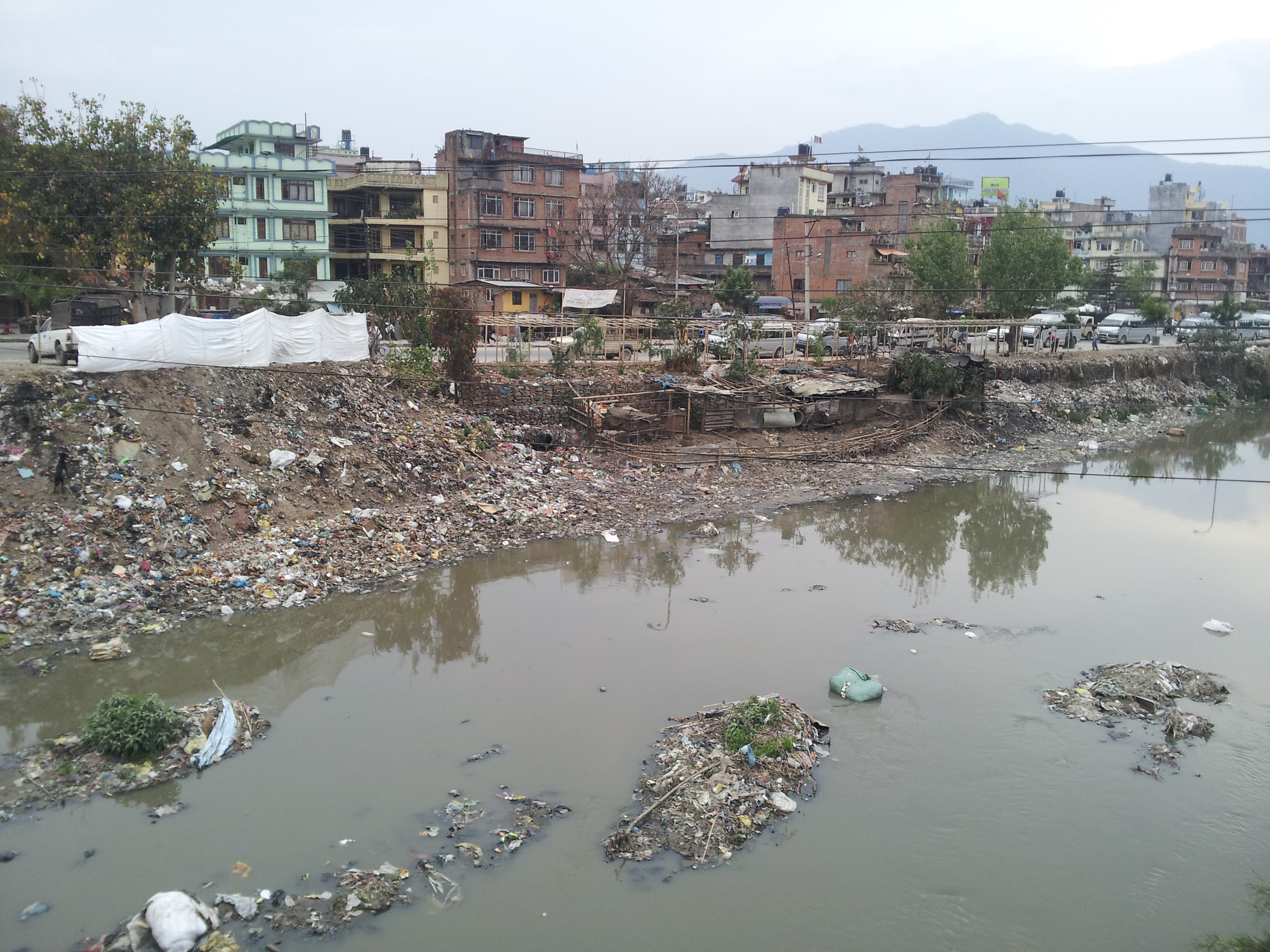
At the same time though you cannot help but be caught up in the traffic chaos and taken aback at the sheer amount of rubbish in the city. It is estimated that 42% of the overall population of the country are living below the poverty line and the difficulties that a ten-year conflict creates in terms of governance, civic amenities etc. are very evident.
Waste Management Issues on the Bagmati River in Kathmandu
With over a dozen formal meetings with various NGO’s and a 7-12 hour journey to Pokhara midway though the week, it was an intense field trip. More pictures and details to follow…
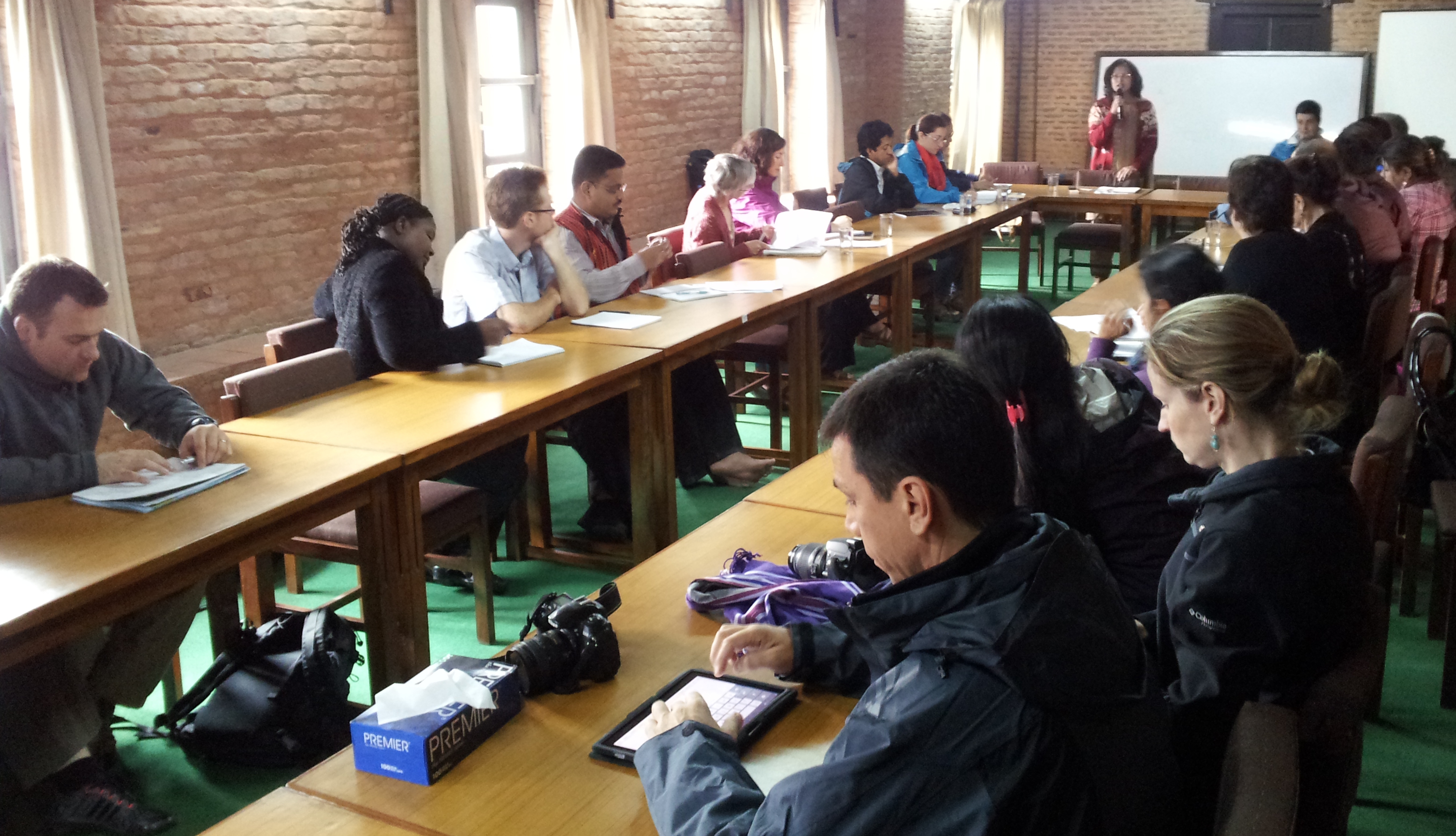
Meeting atThe Nepal Transition to Peace (NTTP) Initiative
We had Dr David Connolly looking at Post-war recovery for three thought-provoking days this week. David is originally from Belfast (and still has the brogue!) and he specialises in the theory and practice of post-war recovery and peacebuilding at York University.
A clip David used to talk about the traditional approach to Post-war Iraq
We examined many of the theoretical principles behind exclusive and more holistic inclusive post-war recovery/reconstruction. The overall aim is to bridge the gap between conflict transformation and a society after conflict with a more sustainable, social, economic and political order. David used examples from his precious research in Yemen, Indonesia, Afghanistan and Northern Ireland to back his proposals. One of the quotes which stood out to me was actually from a report he published a few years again from home:
We also examined “Fragile States” and how conflict can play a part in this fragility. What interested me the most was the models of international development/relief which “grafted” new practices onto existing local processes. Such as the example of the Community Development Councils (CDCs), in Afghanistan (which are part of the National Solidarity Programme) which use the pre-existing Shura, “consultation” process to disseminate funding and manage local projects etc. Overall, David suggested using the term “Integrity” to replace the ideologies behind current “Good Governance” procedures to help maintain accountability, competencies and corruption control in post-war countries.
Dr David Connolly finishing up his final lecture on “Integrity”
There was a great deal to take in over the last few days and to be honest, this entire topic deserves its own blog and I don’t feel like I’m doing it any justice in this post. More than ever though, I am appreciating the benefits of a Systemic Peacebuilding approach to this work (more to follow)
For more information on Post-war Recovery please check out the MA at York University.




 Practical Peace