Category Archives: Rotary Peace Fellowship

Rotary World Peace Symposium 2012

image

In front of the live Twitter stream from @RotaryChula using Twitterfall

On day two of the Rotary World Peace Symposium we (Class 12) ran a workshop session looking at how peace fellows (over 650 worldwide) can assist with the Rotary “End Polio Now” Campaign.  Polio has not yet been eradicated from Nigeria, Afghanistan or Pakistan and one the reasons for this is the difficulties caused by conflicts in certain areas in these countries.  One of the aims of the session was to see if we could start to utilities the alumni network in these regions and beyond.

With the help of @rotary (International) and @EndPolioNow we managed to be repeatedly re-tweeted to over 150,000 “followers”.  It was my first time  running (along with Chris Quinlan) a live Twitter stream from a conference and it was great to see first hand the power of social media in being able to get the message of the session out to many more people than were actually in the room.

Unfortunately my netbook screen has decided to kindly stop working as my Fellowship draws to a close (I’m blaming the Bangkok humidity -84% today!)  I will add more to this blog as soon as I get up and running again!

Conflict in Thailand, Reconciliation & Lessons Learned

One of the final weeks was spent looking at the conflicts in Thailand.  We focused on the aftermath of the 2008-2010 political crisis and the ongoing difficulties in the South of the country in the provinces of Yala, Pattani, Narathiwat.  I felt that the lectures gave a comprehensive synopsis of the complexity of the issues facing modern Thai society.

Dr. Sukree Langputeh from Yala Islamic University, deconstructing the Southern Conflict in Thailand.

A representative from the Truth for Reconciliation Commission of Thailand

Mark Tamthai, Director of the Institute of Religion, Culture and Peace at Payap University giving a motivational talk about his lessons learned as an experienced mediator and peacebuilder

Conflict Transformation & Building a Sustainable Peace

The last two weeks have been full of beneficial lectures from topics ranging from International Humanitarian Law to the role of religion in Peacebuilding.

Kishu Daswani, A Professor of Law in Mumbai delving into questions around “Just War Theory

Dr. Chaiyan Rajchagool on the Moral Component of Peacebuilding

Some more conflict analysis tools by USAID from Jenn Weidman

An inspiring  morning with Mr Bhichai Rattakul talking about lessons from his time as Thai foreign Minister dealing with the Vietnam War & Pol Pot…

As the overall theme for this final module was Conflict Transformation I  found it really useful to hear past Rotary International President Mr Bhichai Rattakul emphasise the power of “the small things” when dealing with people but yet how to always hold onto to the bigger picture of how things will work out in the longer term 10/20 years down the road.

Rotary Peace Fellows Class XII

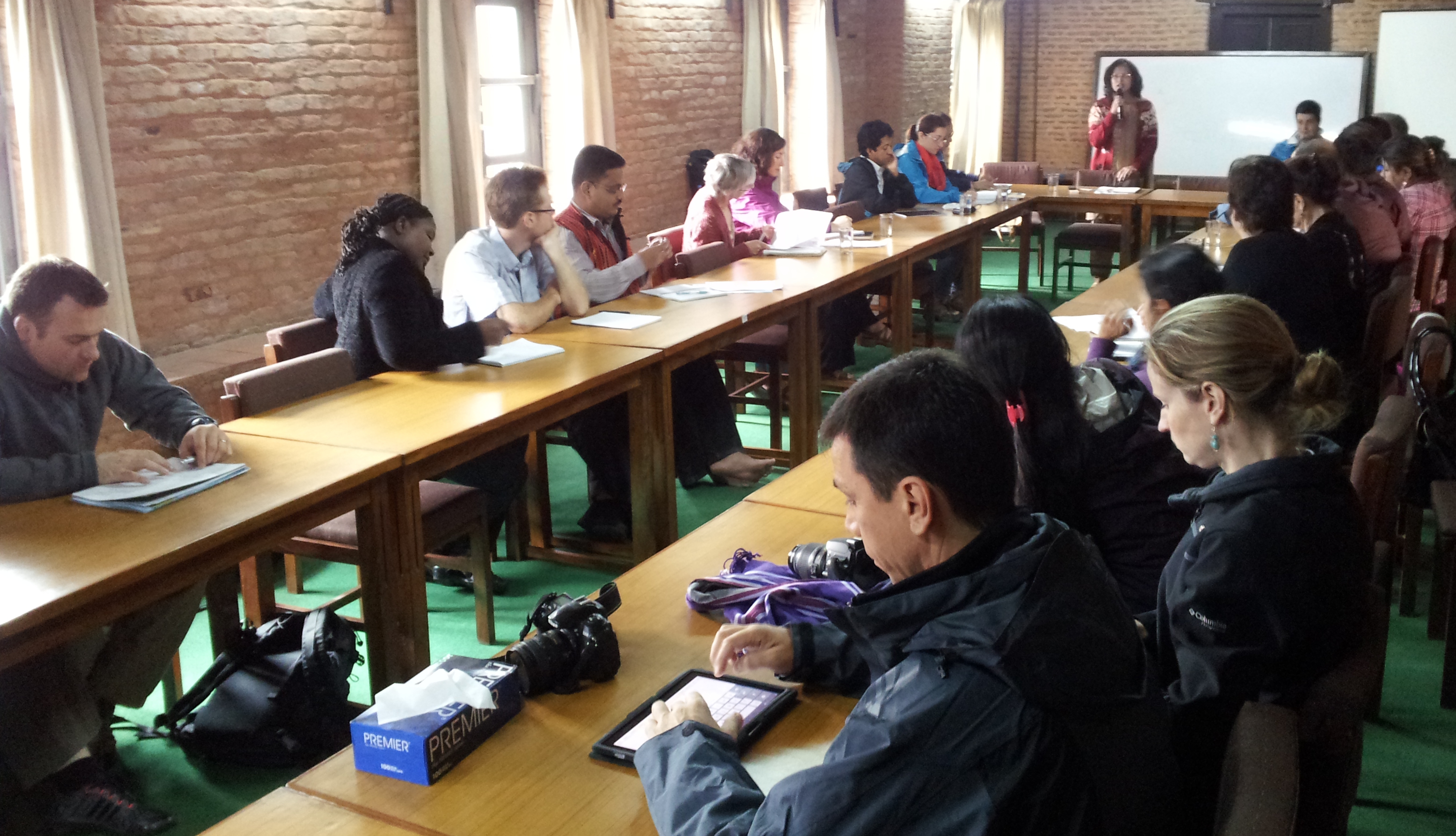
Class XII after a meting at the Women’s Skill Development Organization

Kathmandu and Pokhara

One of the stand-out meetings of the second field trip was with Search for Common Ground.  I found their approach to peacebuilding to be very holistic and their level of positive engagement with the community to be inspiring.  Their award-winning TV program “Our Team” uses the theme of football to open up discussion on social issues affecting the country.  Each character in the show even has their own Facebook page that viewers can interact with.  My meeting with International Alert was also a professional highlight of the trip.  I met with an SSR specialist form Alert and received a real insight into how peacebuilding is happening at the grass-roots and governmental level in Nepal.

Meeting at the Underprivileged Children’s Educational Program (UCEP)

Midway through the week we made a long bus journey west, to the City of Pokhara.  On the way we visited the Hoste Hainse Child Development Society NGO and their “Zone of Peace” School. 


Playing a quick game with the school children.

Pokhara is a haven for someone like myself interested in the outdoors as it acts as a gateway to the Himalayas for many hiking and kayaking expeditions. Hopefully one day I’ll get some time there for some exploring.  We made a stop in two Tibetan refugee camps in town.  These settlements stood in stark contrast to the Burmese camps in Mae Sot as the Tibetan community are much more integrated into the wider Nepalese society than is practically possible for the people in the temporary camps in Thailand.  


Meeting at a Tibetan refugee Camp in Pokhara

The CHESS/Heifer International project that we visited on the side of a mountain outside of town demonstrated how a holistic, well thought-out and practical approach to development can have a profound effect of conflict transformation on a community level.  The project was obviously set in a very picturesque surrounding but it will be the testimonials from the women I will take away with me.

A community group welcoming us to their project.

Dawn over the Himalayas on our last day in Nepal

Field Trip 2: Nepal

We left for Kathmandu last week for the second of our field trips.  The overall theme was “Conflict Transformation and Building a Sustainable Peace”.  Nepal is in the process of recovering from a ten-year conflict which was finally ended with the Comprehensive Peace Agreement (CPA) in 2006.  When we were there the politicians where in the middle of negotiations about the Constitution which must be agreed  upon by the 29th May.

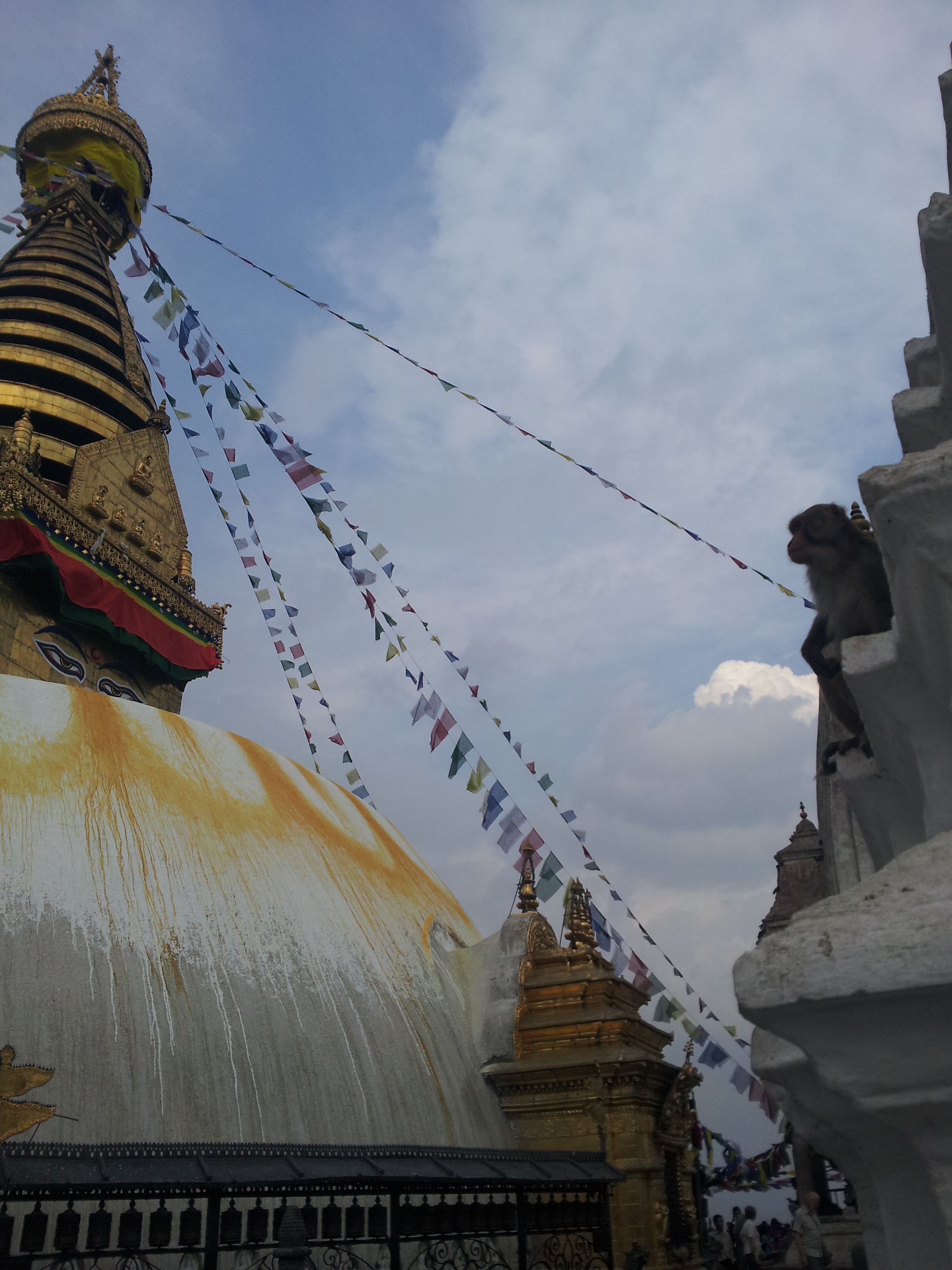
A view of Kathmandu from the Monkey Temple

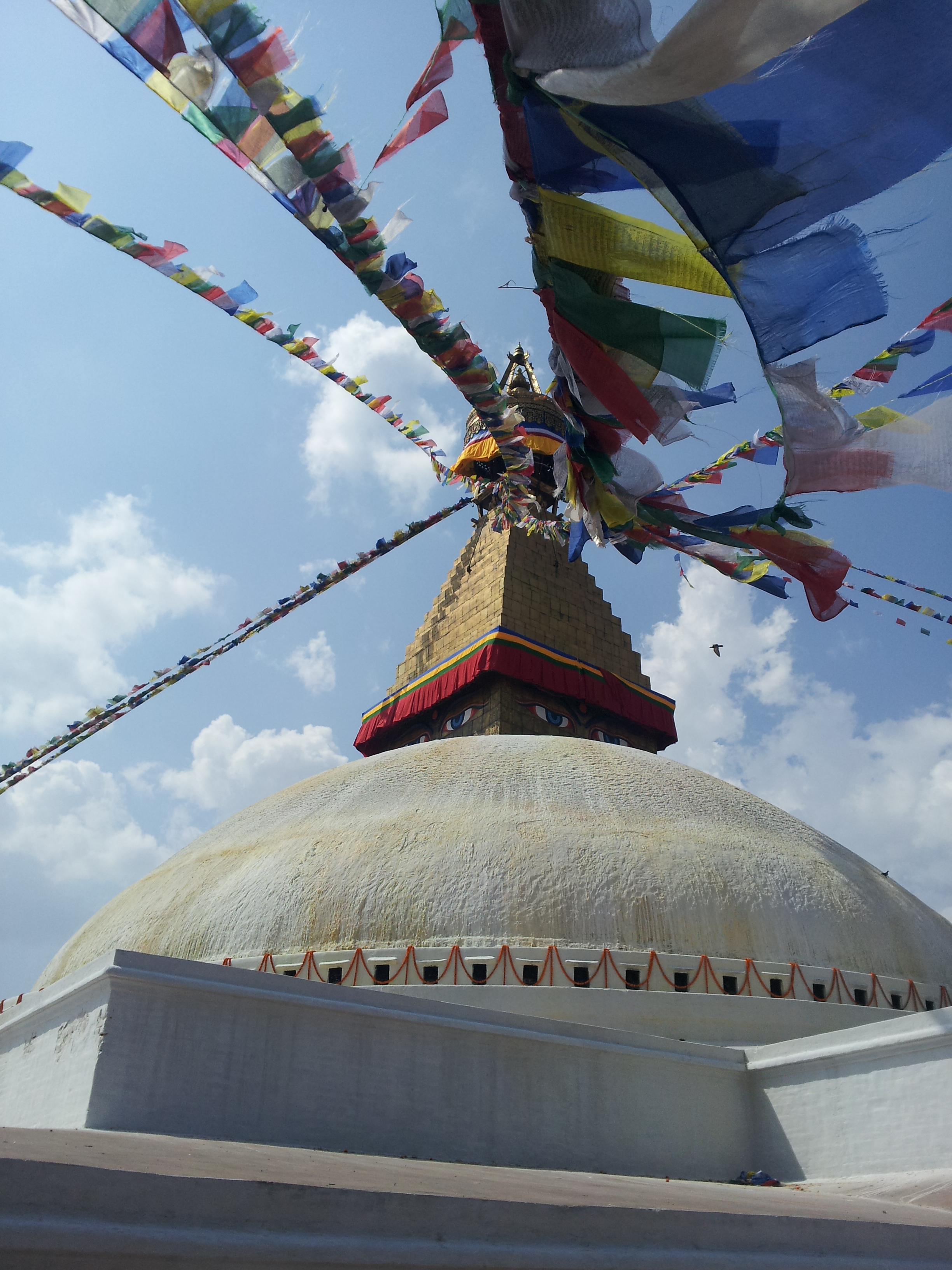
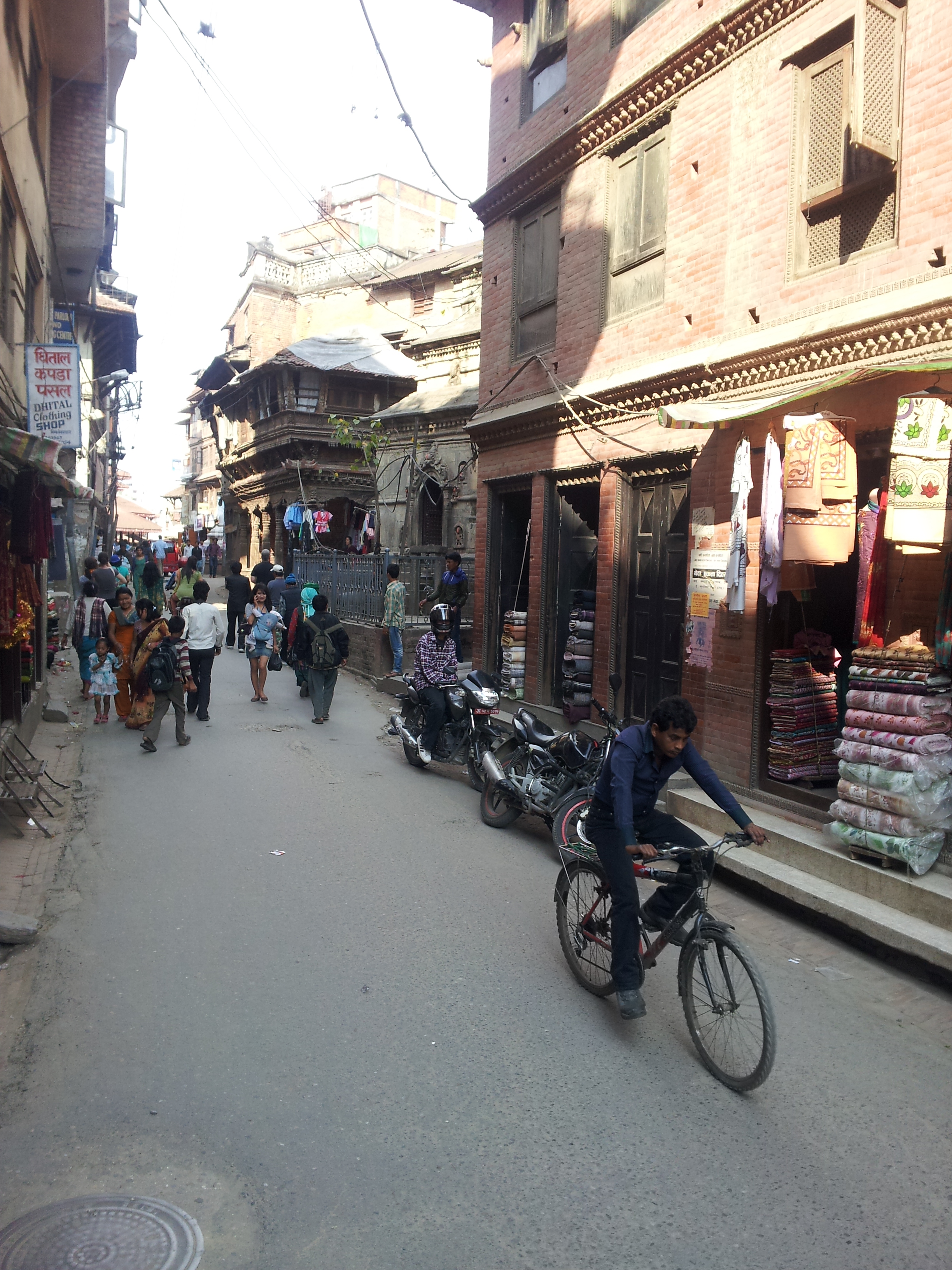
Kathmandu struck me as a very culturally rich city with many historically significant sites such as Bodhnath Stupa and the Living Goddess Kumari.

Buddhists Stupa’s (Bodhnath & the Monkey Temple, accordingly)

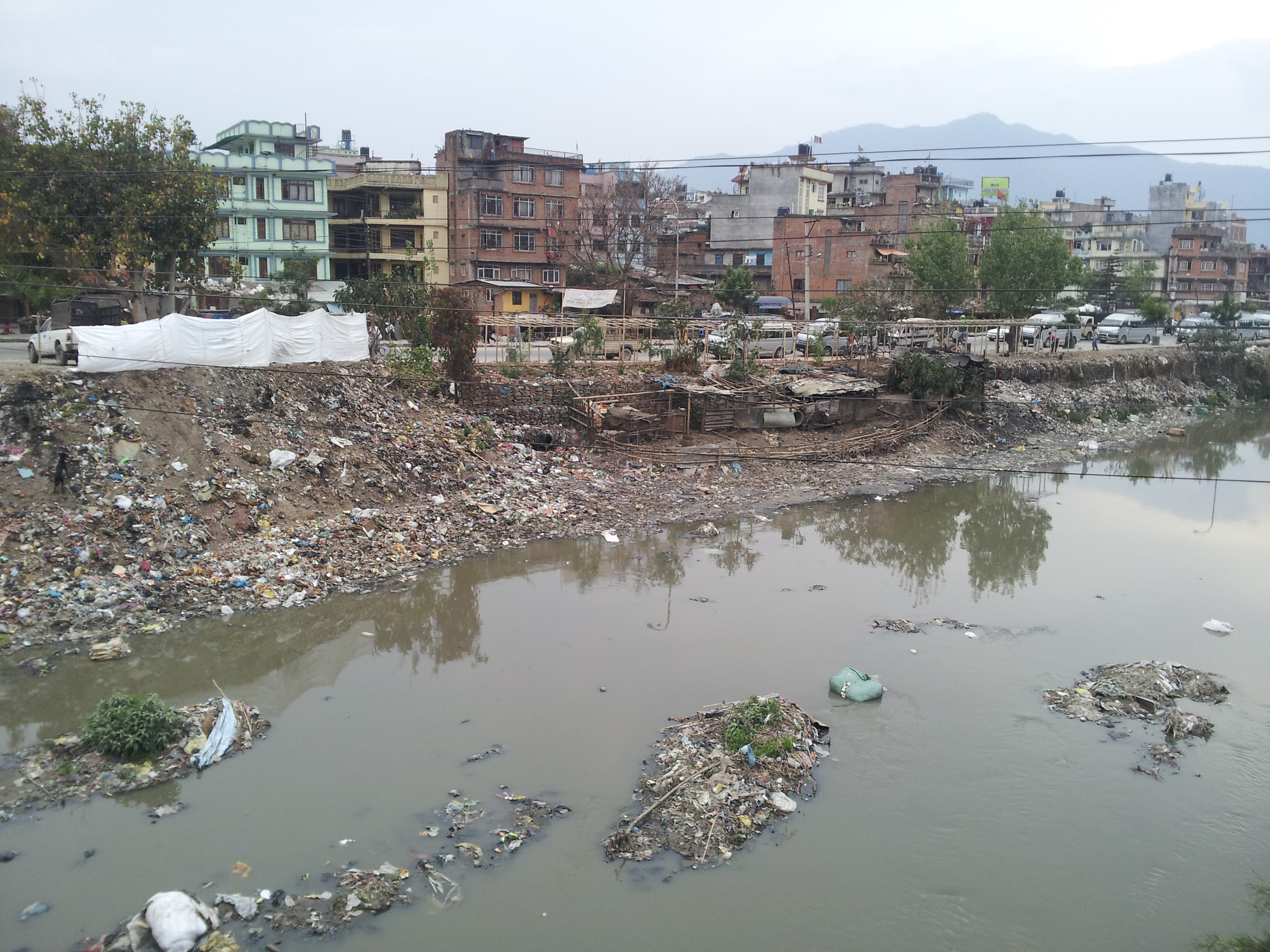
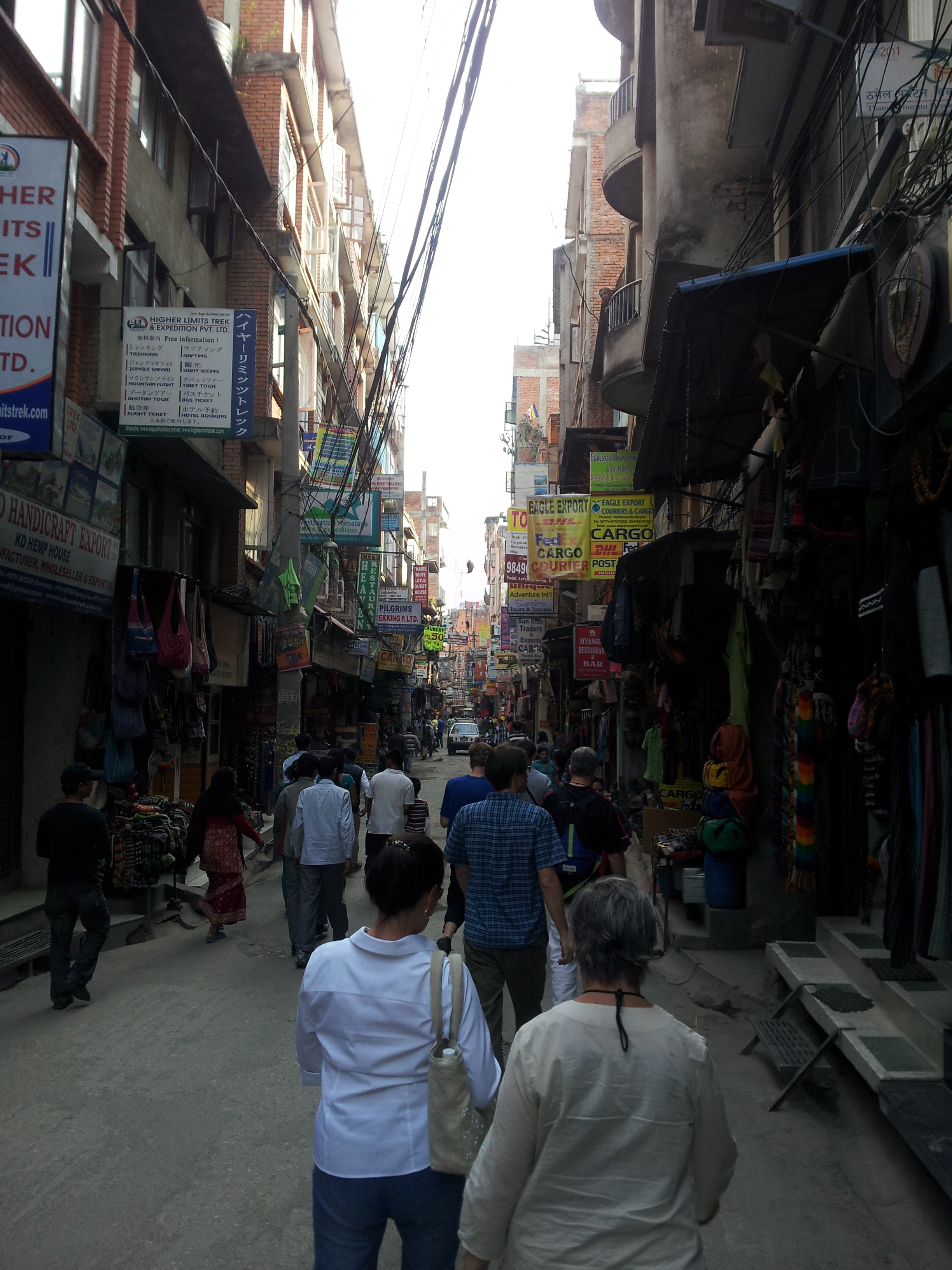
At the same time though you cannot help but be caught up in the traffic chaos and taken aback at the sheer amount of rubbish in the city.  It is estimated that 42% of the overall population of the country are living below the poverty line and the difficulties that a ten-year conflict creates in terms of governance, civic amenities etc. are very evident.

Waste Management Issues on the Bagmati River in Kathmandu


With over a dozen formal meetings with various NGO’s and a 7-12 hour journey to Pokhara midway though the week, it was an intense field trip.  More pictures and details to follow…

Meeting at The Nepal Transition to Peace (NTTP) Initiative

Theories of Change

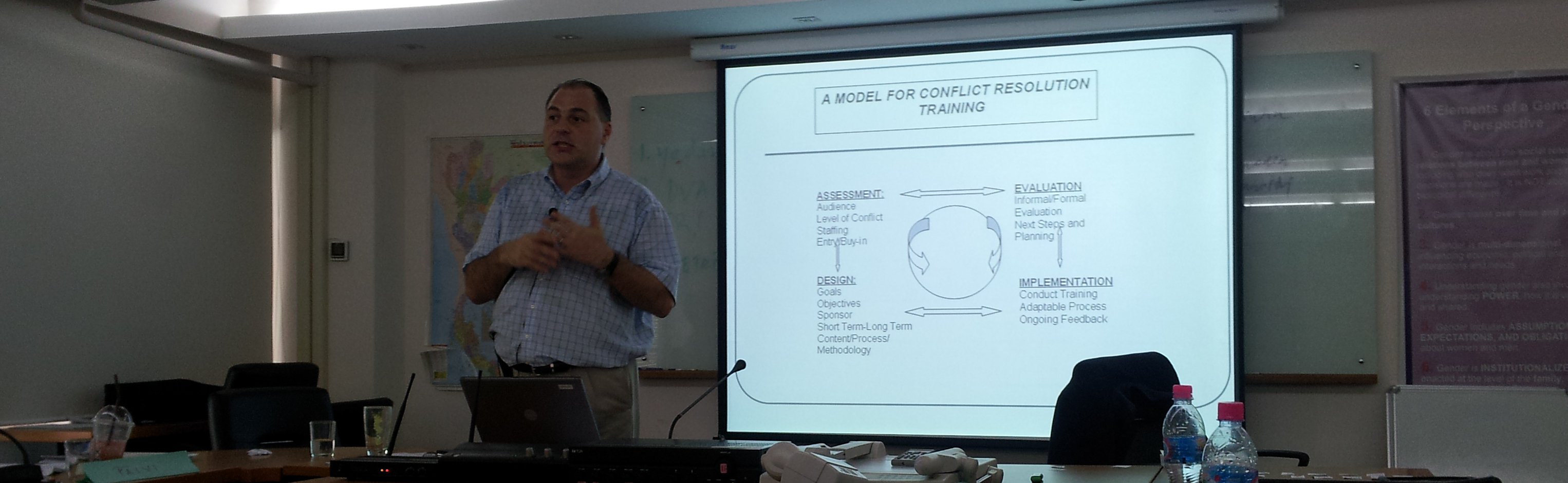
Miki Jacevic, a human rights activist and peace program specialist from Sarajevo, facilitated an excellent week on capacity building, theories of change and evaluation and monitoring processes this week.  If your interested in more details on “Theories of Change” in peacebuilding I can highly recommend the new report from Care International and International Alert which can be downloaded here.  I’m hopping to visit Alert in Nepal next week and as I’m in the middle of packing I’ll get some more details up here the next time I have internet access…

Miki Jacevic at work

Transitional Justice

The United Nations defines transitional justice as “the full range of processes and mechanisms associated with a society’s attempts to come to terms with a legacy of large-scale past abuses, in order to ensure accountability, serve justice and achieve reconciliation.”

As an example of one of these processes we watched a film about the Gacaca courts set up in Rwanda after the genocide; In the Tall Grass.  I’ve watched “Hotel Rwanda” and “Shooting Dogs” many times before, which are both about the events of the Genocide but this particular documentary conveyed just how difficult the transitional justice process can be  after such a horrific event on such a massive scale:

Modern Bangkok Life

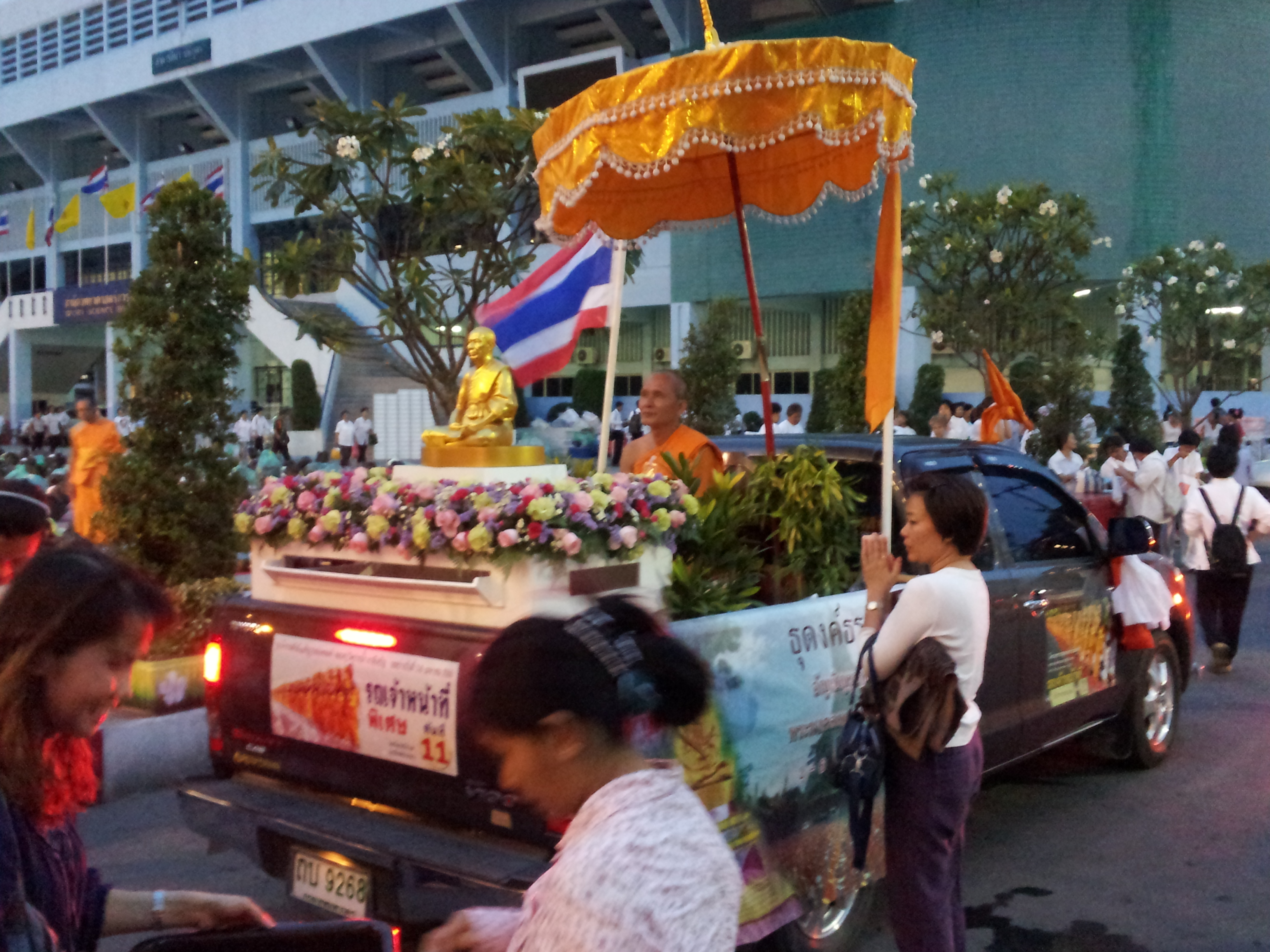
Walking back from the University today I came across over 100 monks outside the National Stadium for a retreat event.  I thought this picture (taken in the major shopping district) speaks to how modern Bangkok has amalgamated  religious ideology with modern life.  Buddhist monks are still highly respected in Thai society.

Conflict Trauma

Associate Professor John Pead from Australia lectured us for two days about the results of Trauma associated with conflict such as Post Traumatic Stress Disorder (PTSD).  He clearly defined Trauma as being an event in which you believe your life to be at risk.  We looked at the process of ‘Allostatic Loads’ in which your body experiences wear and tear due to repeated cycles of stress and talked about the consequences of bitterness to an individual and to a community.  John’s work is largely based with the aboriginal community in North East Australia and quite a bit of his work seems to revolve around the process of conflict being transferred from one generation to the next through “Transgenerational Trauma.   His style was very fluid and allowed me to reflect a lot upon some of the groups I’ve worked with at home.   

John talking about Trauma related issues